SUSTAINABLE ENVIRONMENTAL RESOURCES
Governo do Estado de RondôniaBIODIVERSITY IN ENVIRONMENTAL RESERVES

Rondonia is the cradle of Biodiversity being found in plants, animals and microorganisms that provide food, medicines, and much of the raw material consumed by humans.
Attentive to the riches of the soil, fauna and flora of Rondonia, the Government, through the State Secretary for the Environment (SEDAM), is investing in the opening of trails in the first 8 (eight) Conservation Units (UC) to expand knowledge and monitor biodiversity.
Thus, of the 49 Conservation Units, the first 8 were contemplated by SEDAM, guaranteeing fundings for these activities by the Amazon Protected Areas Program (Arpa).
SEDAM will implement a collection of these biological riches, which will be available on the official portal of the Government of Rondonia with the data acquired from the monitoring.
Some items of this collection are already catalogued at site cuc.sedam.ro.gov.br and available for knowledge and research.
EXTRACTIVE RESERVE
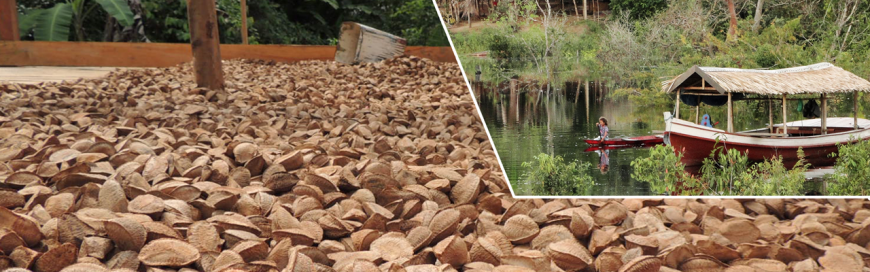
The Extractive Reserves (RESEX or REx) aim to protect the way of life and culture of traditional extractivist populations, and ensure the sustainable use of natural resources.
Their use is focused on plant extractivism, subsistence agriculture, and the raising of small animals.
In all, the area occupied by extractive reserves in the state exceeds 770,232.00 (ha)
21 Extractive Reserves
- In the 21 reserves approximately 300 families live, connected to the preservation of cultural values and traditions:
- Rio Preto Jacundá, in Machadinho d´Oeste;
- Rio Pacaás Novos, in Guajará Mirim;
- Pedras Negras, Curralinho and Rio Cautário, in Costa Marques;
- Jacy-Paraná, em Porto Velho;
- Angelim, Ipê, Massaranduba, Castanheiras, Aquariquara, Seringueira, Roxinho, Itajubá, Freijó, Piquiá Jatobá, Maracatiara, Mogno, Garrote and Sucupira, in Machadinho d´Oeste.
10 Sustainable Yield State Forests
- Rio Machado, in Porto Velho e Machadinho d’Oeste;
- Rio Madeira B, in Porto Velho;
- Rio Vermelho C, in Porto Velho;
- Cedro, Mutum, Arara, Periquito, Gavião e Tucano, in Cujubim;
- Rio Pardo (Sub Judice).
Sustainable Development Reserve
- Rio Machado, in Porto Velho e Machadinho d’Oeste;
- Limoeiro, in São Francisco do Guaporé;
- Bom Jardim, in Porto Velho;
- Serra Grande, in Costa Marques.
Full Protection
- The Full Protection Units are natural areas destined for the preservation of biodiversity.
- biodiversity, with only the indirect use of its natural resources being allowed;
- There are also State Full Protection Units, where the presence of residents in their
- interior is not allowed, as follows:
Environmental Protection Areas
- Rio Madeira, in Porto Velho;
- Rio Pardo (Sub Judice).
Ecological Stations
- Serra dos Três Irmãos, in Porto Velho;
- Samuel, in Candeias do Jamari;
- Umirizal, in Porto Velho;
- Soldado da Borracha, in Porto Velho.
State Parks
- Serra dos Reis, in Costa Marques;
- Corumbiara, in Pimenteiras do Oeste and Cerejeiras;
- Guajará-Mirim, in Nova Mamoré and Guajará-Mirim;
- Abaitará, in Pimenta Bueno;
- Ilha das Flores, in Alta Floresta d’Oeste.
Biological Reserves
- Traçadal and Rio Ouro Preto, in Guajará-Mirim.
Fauna Reserve
- Fauna Reserve Pau d´Oleo, in São Francisco do Guaporé.
MANAGEMENT IN ENVIRONMENTAL CONSERVATION UNITS
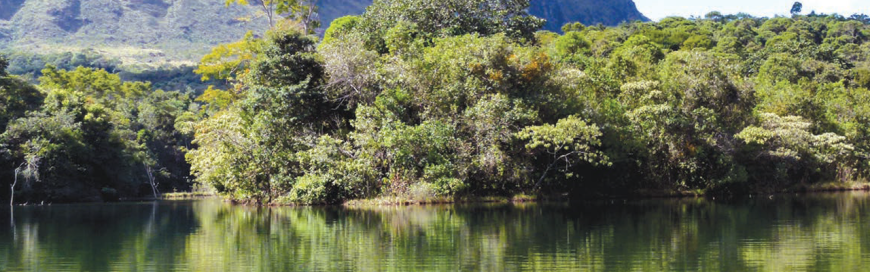
Conservation Units (UCS) are areas of environmental protection, legally instituted by the public power, in its three public spheres (municipal, state, and federal).
UCS are regulated by Law 9985, of 2000, which institutes the National System of Conservation Units (SNUC). They are divided into two groups: those of full protection and those of sustainable use.
Rondonia has 49 Conservation Units (UCs).
The UCs correspond to around 23% of the state’s territory;
All these Conservation Units, which are concentrated mainly in Machadinho d’Oeste, Porto Velho and Guajará-Mirim, are under the management responsibility of the State Secretary for the Environment (SEDAM).
Of the 49 Conservation Units, only the Corumbiara State Park and the Pacaás Novos River Extractive Reserve have approved management plans;
Within the state policy, the protection of nature is the central objective of the Conservation Units, which follow strict rules to enforce this commitment.
Compartilhe


Serviços
Serviços - Cidadão
| Serviço | Link |
|---|---|
| 1º Seletivo DER-RO 2016 Edital 001/DER-RO 30/05/2016 - DER | Abrir |
| 1º Seletivo DER-RO 2018 Edital 001/DER-RO - DER | Abrir |
| 2º Seletivo DER-RO 2016 Edital 002/DER-RO 10/06/2016 - DER | Abrir |
| ABAR - Associação Brasileira de Agências de Regulação - AGERO | Abrir |
| ADASA - Agência Reguladora de Águas, Energia e Saneamento Básico do DF - AGERO | Abrir |
| AGEAC - Agência Reguladora dos Serviços Públicos do Estado do Acre - AGERO | Abrir |
| Agência Virtual - CAERD | Abrir |
| AGENERSA - Agência Reguladora de Energia e Saneamento Básico do Estado do Rio de Janeiro - AGERO | Abrir |
| AGEPAN - Agência Estadual de Regulação de Serviços Públicos do Mato Grosso do Sul - MS - AGERO | Abrir |
| AGEPAR - Agência Reguladora do Paraná - AGERO | Abrir |
| AGER - Agência Estadual de Regulação dos Serviços Públicos Delegados do MT - AGERO | Abrir |
| AGERBA - Agência Estadual de Regulação de Serviços Públicos de Energia, Transporte e Comunicações da BA - AGERO | Abrir |
| AGERGS - Agência Estadual de Regulação dos Serviços Públicos Delegados do Rio Grande do Sul - AGERO | Abrir |
| AGERSA- Agência Reguladora de Saneamento Básico do Estado da Bahia - AGERO | Abrir |
| AGESAN - Agência Reguladora de Serviços de Saneamento Básico do Estado de Santa Catarina - AGERO | Abrir |
| AGESC - Agência Reguladora de Serviços Públicos de Santa Catarina - AGERO | Abrir |
| AGETRANSP - Agência Reguladora de Serviços Públicos Concedidos de Transportes Aquaviários, Ferroviários e Metroviários e de Rodovias do Estado do RJ - AGERO | Abrir |
| AGR - Agência Goiana de Regulação, Controle e Fiscalização de Serviços Públicos - AGERO | Abrir |
| AGUASPARANÁ - Instituto das Águas do Paraná - AGERO | Abrir |
| ANA - Agência Nacional de Águas - AGERO | Abrir |
| ANAC - Agência Nacional de Aviação Civil - AGERO | Abrir |
| ANCINE - Agência Nacional do Cinema - AGERO | Abrir |
| ANEEL - Agência Nacional de Energia Elétrica - AGERO | Abrir |
| ANP - Agência Nacional do Petróleo, Gás Natural e Biocombustíveis - AGERO | Abrir |
| ANTAQ - Agência Nacional de Transportes Aquaviários - AGERO | Abrir |
| ANTT - Agência Nacional de Transportes Terrestres - AGERO | Abrir |
| ARCE - Agência Reguladora de Serviços Públicos Delegados do CE - AGERO | Abrir |
| ARCON - Agência de Regulação e Controle de Serviços Públicos do PA - AGERO | Abrir |
| ARPB - Agência de Regulação do Estado da Paraíba - AGERO | Abrir |
| ARPE - Agência de Regulação dos Serviços Públicos Delegados do PE - AGERO | Abrir |
| ARSAE - Agência Reguladora de Serviços de Abastecimento de Água e de Esgotamento Sanitário do Estado de Minas Gerais - MG - AGERO | Abrir |
| ARSAL - Agência Reguladora de Serviços Públicos do Estado de Alagoas - AGERO | Abrir |
| ARSAM - Agência Reguladora dos Serviços Públicos Concedidos do Estado do Amazonas - AGERO | Abrir |
| ARSEMA - Agência Reguladora de Serviços Públicos do Maranhão - AGERO | Abrir |
| ARSEP - Agência Reguladora de Serviços Públicos do Rio Grande do Norte - AGERO | Abrir |
| ARSESP - Agência Reguladora de Saneamento e Energia de SP - AGERO | Abrir |
| ARSI - Agência Reguladora de Saneamento Básico e Infraestrutura Viária do Espírito Santo - AGERO | Abrir |
| ARTESP - Agência Reguladora de Serviços Públicos Delegados de Transporte do Estado de São Paulo - AGERO | Abrir |
| ASPE - Agência de Serviços Públicos de Energia do Estado do Espírito Santo - AGERO | Abrir |
| ATR.TO - Agência Tocantinense de Regulação Controle e Fiscalização de Serviços Públicos - AGERO | Abrir |
| Avaliação do Seminário Estadual de Reformulação do Projeto Correção de Fluxo Escolar do Ensino Médio - SEDUC | Abrir |
| Bloqueio de CPF (Cadastro de Pessoa Física) - JUCER | Abrir |
| Cadastro Ambiental Rural de Rondônia - CAR - SEDAM | Abrir |
| Cadastro de Exploradores e Consumidores de Produtos Florestais - CEPROF - SEDAM | Abrir |
| Cadastro de Exploradores e Consumidores de Produtos Florestais - CEPROF - SEDAM | Abrir |
| Cadastro de propriedades produtoras de soja - IDARON | Abrir |
| Carta de Serviço SUPEL - SUPEL | Abrir |
| Central de Consultas e Emissão de Guias - DETRAN | Abrir |
| Certidão FGTS - CGE | Abrir |
| Certidão INSS - CGE | Abrir |
| Certidão Negativa de Débitos Estaduais - SEGEP | Abrir |
| Certidão Receita Estadual - CGE | Abrir |
| Certidão Receita Federal - CGE | Abrir |
| Certidão Receita Municipal(Porto Velho) - CGE | Abrir |
| Certidão TCE - CGE | Abrir |
| Certidão TJ - CGE | Abrir |
| Certidão TSE - CGE | Abrir |
| Chamada Pública - Alimentação Escolar - SEDUC | Abrir |
| Conheça a SUPEL - SUPEL | Abrir |
| Consulta de Declaração Cadastral - IDARON | Abrir |
| Consulta de GTA - IDARON | Abrir |
| Consulta Internamento de Notas Fiscais - SEGEP | Abrir |
| Consulta Pagamento de DARE - SEGEP | Abrir |
| Consulta Pública de Processos | Abrir |
| Consulta REDESIM Estadual - SEGEP | Abrir |
| Consultar Dados de Veículos - SEGEP | Abrir |
| DARE - SEGEP | Abrir |
| DARE - SEDAM | Abrir |
| DataGeo - SEDAM | Abrir |
| E-SIC | Abrir |
| Economia Solidária - SEAS | Abrir |
| Emissao/Validação - Certidão Nada Consta Servidor DER-RO - DER | Abrir |
| Eventos - CASA CIVIL | Abrir |
| Impressão de DARE - SEGEP | Abrir |
| Matricula Online - SEDUC | Abrir |
| Ouvidoria | Abrir |
| Pagamento IPVA - SEGEP | Abrir |
| Parcelamento de IPVA - SEGEP | Abrir |
| Pesquisa de Processo - SEDAM | Abrir |
| Pesquisa de Processo - SIGLAM - SEDAM | Abrir |
| Plano anual de manutenção de Rodovias 2016 (MAPAS) - DER | Abrir |
| Portal Conselho de Educação - SEDUC | Abrir |
| Portal Educação Física - SEDUC | Abrir |
| Portal Jogos Escolares - SEDUC | Abrir |
| SAERO - Sistema de Avaliação Educacional do Estado de Rondônia - SEDUC | Abrir |
| SCINM - Sistema de Consulta das Infrações, Notificações e Multas | Abrir |
| SIAGEO - SEDAM | Abrir |
| SIC - Sistema de Informações Cadastrais - Empresa (SINAD) - DER | Abrir |
| SINAFLOR - SEDAM | Abrir |
| Sistema Cadastro Digital de Obras (MAPAS) - Em andamento - DER | Abrir |
| Sistema de Gerenciamento de Lotes - SIGLO INCRA - SEDAM | Abrir |
| SROF - Certificado de Regularidade de Obras | Abrir |
| Transparência da EpR Contratos e Convênios - SETIC | Abrir |
| Transparência DEOSP-RO | Abrir |
| Transparência DER-RO - DER | Abrir |
| Zoneamento Socioeconômico e Ecológico do Estado de Rondônia - ZSEE - SEDAM | Abrir |
Serviços - Empresa
| Serviço | Link |
|---|---|
| 1º Seletivo DER-RO 2016 Edital 001/DER-RO 30/05/2016 - DER | Abrir |
| 2º Seletivo DER-RO 2016 Edital 002/DER-RO 10/06/2016 - DER | Abrir |
| Alvará provisório (município de Porto Velho) - JUCER | Abrir |
| Capa de Processo - JUCER | Abrir |
| Certidão de inteiro teor – cópia de documento registrado - JUCER | Abrir |
| Certidão específica - JUCER | Abrir |
| Certidão simplificada - JUCER | Abrir |
| Checklist - JUCER | Abrir |
| CNPJ - JUCER | Abrir |
| Comunicação de funcionamento - JUCER | Abrir |
| Comunicação de paralisação temporária de atividades - JUCER | Abrir |
| Consulta Internamento de Notas Fiscais - SEGEP | Abrir |
| Consulta Pagamento de DARE - SEGEP | Abrir |
| Consulta REDESIM Estadual - SEGEP | Abrir |
| Consulta SINTEGRA - SEGEP | Abrir |
| DataGeo - SEDAM | Abrir |
| Declarações de ME/EPP - JUCER | Abrir |
| Documento de Arrecadação de Receitas Estaduais – DARE - JUCER | Abrir |
| Documento de Arrecadação de Receitas Federais – DARF - JUCER | Abrir |
| Ficha de cadastro nacional de empresas – FCN 1 - JUCER | Abrir |
| Ficha de cadastro nacional de empresas – FCN 2 - JUCER | Abrir |
| Impressão de DARE - SEGEP | Abrir |
| Inscrição Estadual - JUCER | Abrir |
| Livro digital - JUCER | Abrir |
| Livro mercantil - JUCER | Abrir |
| Pedido de restituição - JUCER | Abrir |
| Pesquisa CNAE (Classificação Nacional de Atividades Econômicas) - JUCER | Abrir |
| Pesquisa de Processo - SEDAM | Abrir |
| Plano anual de manutenção de Rodovias 2016 (MAPAS) - DER | Abrir |
| Portal de serviços - JUCER | Abrir |
| Protocolo Online - Empresa Fácil - SEDAM | Abrir |
| Registro de balanço - JUCER | Abrir |
| Requerimento de Empresário - JUCER | Abrir |
| SIAGEO - SEDAM | Abrir |
| SIC - Sistema de Informações Cadastrais - Empresa (SINAD) - DER | Abrir |
| Sistema Cadastro Digital de Obras (MAPAS) - Em andamento - DER | Abrir |
| Sistema de Fiscalização do Comércio de Agrotóxico - Siafro - IDARON | Abrir |
| Transparência da EpR Contratos e Convênios - SETIC | Abrir |
| Via Postal - JUCER | Abrir |
| Zoneamento Socioeconômico e Ecológico do Estado de Rondônia - ZSEE - SEDAM | Abrir |
Serviços - Intranet
| Serviço | Link |
|---|---|
| 1º Seletivo DER-RO 2016 Edital 001/DER-RO 30/05/2016 - DER | Abrir |
| 2º Seletivo DER-RO 2016 Edital 002/DER-RO 10/06/2016 - DER | Abrir |
| Chamado Técnico - SEDAM | Abrir |
| Contra-cheque - JUCER | Abrir |
| Contracheque - SEDAM | Abrir |
| DataGeo - SEDAM | Abrir |
| Emissao/Validação - Certidão Nada Consta Servidor DER-RO - DER | Abrir |
| Intranet - IDARON | Abrir |
| Plano anual de manutenção de Rodovias 2016 (MAPAS) - DER | Abrir |
| Protocolo Web - SEDAM | Abrir |
| SEI - Sistema Eletrônico de Informações - SEDAM | Abrir |
| SIAOF - SEPOG | Abrir |
| SIGATER - EMATER | Abrir |
| SIGLAM - SEDAM | Abrir |
| Sistema Cadastro Digital de Obras (MAPAS) - Em andamento - DER | Abrir |
| Webmail - CAERD | Abrir |
| Webmail - JUCER | Abrir |
| Webmail - SEDAM | Abrir |
Serviços - Servidor Público
| Serviço | Link |
|---|---|
| 1º Seletivo DER-RO 2016 Edital 001/DER-RO 30/05/2016 - DER | Abrir |
| 2º Seletivo DER-RO 2016 Edital 002/DER-RO 10/06/2016 - DER | Abrir |
| Cédula C - SEGEP | Abrir |
| Cédula C - DER | Abrir |
| Consulta Pública de Processos - IDARON | Abrir |
| Consulta SINTEGRA - SEGEP | Abrir |
| Contra Cheque | Abrir |
| Contra Cheque - SESDEC | Abrir |
| Contra Cheque - DER | Abrir |
| Contra-cheque - SEGEP | Abrir |
| Contracheque - IDARON | Abrir |
| Contracheque - SEDAM | Abrir |
| Controle de Tramitação - PGE | Abrir |
| CSTI | Abrir |
| Declaração que tem vínculo empregatício - JUCER | Abrir |
| Despacho de Viaturas - PM - SESDEC | Abrir |
| Emissao/Validação - Certidão Nada Consta Servidor DER-RO - DER | Abrir |
| Expresso Livre Webmail | Abrir |
| Ficha Financeira - SEGEP | Abrir |
| Formulário Inconsistência - CAERD | Abrir |
| Guia Prático de Redação DER-RO 2017 - DER | Abrir |
| Modelo AVAC - CAERD | Abrir |
| Morada Nova - SEAS | Abrir |
| Observatorio - SESDEC | Abrir |
| Ordem de Serviço - SESAU | Abrir |
| Ordem de Serviço | Abrir |
| Plano anual de manutenção de Rodovias 2016 (MAPAS) - DER | Abrir |
| Portal do Contribuinte | Abrir |
| Portal do Servidor - SEDAM | Abrir |
| Protocolo Web | Abrir |
| Recadastramento Iperon - IPERON | Abrir |
| Regimento Interno - CAERD | Abrir |
| Requerimento para licença médica - JUCER | Abrir |
| Requerimento para solicitações - JUCER | Abrir |
| S-Mobile - SESDEC | Abrir |
| Serviços de tecnologia (abrir chamado) - SETIC | Abrir |
| SGPP | Abrir |
| SIAD - SESAU | Abrir |
| SIGECON - SEPOG | Abrir |
| SIPLAG - SEPOG | Abrir |
| SISPAR | Abrir |
| Sistema Cadastro Digital de Obras (MAPAS) - Em andamento - DER | Abrir |
| Sistema de Controle de Ocorrências Periciais - SESDEC | Abrir |
| Sistema de Patrimônio - DER | Abrir |
| SITAFE Web - SEGEP | Abrir |
| Solicitação de estagiário - JUCER | Abrir |
| Solicitação de veículos - CAERD | Abrir |
| SPP | Abrir |
| Termo aditivo de estagiário - JUCER | Abrir |
| Termo de concessão de recesso de estágio - JUCER | Abrir |
| Termo de desligamento de estagiário - JUCER | Abrir |
| Webmail - IDARON | Abrir |
| Webmail - SEPOG | Abrir |
| WebMail - Expresso Livre - DER | Abrir |
Palácio Rio Madeira
Atendimento ao público: das 7h30 às 13h30, de segunda a sexta-feira